At the IWC Industry Awards Spain 2026
 By Mar Sánchez
I'm sure you've asked yourself this question more than once while looking at the bottles of wine included in the Christmas basket or those that someone brought home for a special occasion and were forgotten on a shelf.
The first thing to keep in mind is that the process doesn't end when the winemaking and bottling are complete. The wine continues to evolve inside the bottle, but this evolution isn't always favorable.
The big myth to dispel is: “Wine improves with age.“ It’s not that this oft-repeated phrase is false, it’s just not entirely true. Only some wines improve with time; most, however, are like most other things.
There are many factors to consider when deciding whether to store or consume a bottle of wine. We must look at the type of wine, its origin, its aging process, how it was made, and above all, whether the storage conditions are suitable for preserving its qualities.
Generally speaking, it's important to keep a few things in mind. Look at the vintage on the label, and from there, simplifying things considerably, the guidelines you can use are as follows: Try to consume unoaked whites and rosés within the year. Aged whites between 1 and 5 years (great Chardonnays can last up to 15 years). Young unoaked reds from 6 months to 2 years. Aged reds between 2 and 15 years (or more), depending on the aging time and the quality of the wine. Sparkling wines: only vintage Champagnes and great Cavas can be aged; the rest are for consumption when they are released. Sweet wines between 1 and 3 years, with the exception of great Vintage Ports and Sauternes, which can last as long as an aged red wine.
My personal advice: If you have a bottle of wine, the moment is right, and the company is pleasant, don't hesitate, open it and enjoy. Just remember, always in moderation. .
At the IWC Industry Awards Spain 2026
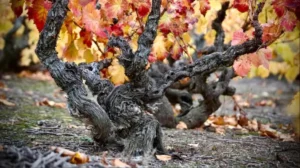
When Garnacha speaks of history (
Wine is no longer just served
Discover what makes a wine special